Applying Batik Garut in Contemporary Fashion
Batik Garut is a cultural heritage that thrives at the foothills of Mount Papandayan, Garut Regency, West Java. The uniqueness of its colors, motifs, and production techniques reflects the interaction between local traditions and external influences that have taken place over centuries. As a form of textile art expression, Garut batik is not only a symbol of regional identity but also offers high aesthetic value that can compete in both national and international markets.

The diversity of motifs in Garut batik is often inspired by the surrounding nature, such as trees, animals, and geometric shapes drawn from traditional architecture. Each motif carries its own meaning, ranging from symbols of courage and wisdom to hopes for prosperity. Therefore, a deep understanding of Garut batik cannot be separated from the socio-cultural historical context of the Garut community, which is rich in inherited stories.
In this article, readers will be invited to trace the history of Garut batik, uncover the traditional manufacturing process, recognize iconic motifs, and receive practical tips for incorporating Garut batik into modern outfits. Hopefully, this information can enhance knowledge and appreciation of Indonesia’s textile wealth.
Getting to Know Garut Batik: History and Uniqueness
The history of Garut batik can be traced back to the Dutch colonial era, when traders brought batik dyeing techniques from Central Java to the western region. However, the Garut community quickly adapted the technique, adding local touches that distinguish their products. In the early 20th century, Garut batik became widely known thanks to the support of the colonial government, which promoted the textile industry as a source of regional income.
The main uniqueness of Garut batik lies in the use of natural colors derived from local raw materials, such as indigo, secang wood, and tree bark. This color combination produces a warm and distinctive tone, different from Javanese batik, which tends to be brighter. In addition, the traditional batik tulis (hand-drawn batik) technique is still preserved in several traditional workshops, ensuring that quality and artistic value remain intact.
Distinctive Characteristics of Batik Garut
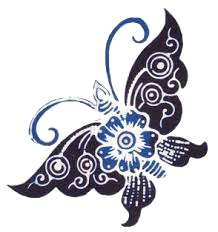
One of the hallmark features of Garut batik is the “Bunga Garut” (Garut Flower) motif, inspired by the rangking flower, an endemic plant of the mountainous region. This motif is usually combined with geometric patterns such as diagonal lines or squares, creating a balance between organic and structural elements. The dominant colors that often appear are deep blue (indigo) and reddish-brown, symbolizing the depth of nature and the warmth of Garut culture.
In addition to floral motifs, Garut batik also features the “Sanggar” motif, which depicts a traditional Garut house with a small joglo-style roof. This motif symbolizes togetherness and family warmth, values that are important in the local community. The variety of these motifs makes Garut batik suitable for various occasions, from formal events to casual wear.
Traditional Garut Batik Making Process
The production of Garut batik begins with the selection of the base fabric, usually cotton or silk that has been thoroughly washed. Next, artisans draw patterns using hot wax (malam) on the fabric — a process called mencanting. Once the pattern is complete, the fabric is soaked in a natural dye solution made from ingredients such as secang leaves, tree bark, or mango roots.
After the first color has absorbed, the wax is removed by boiling or heating the fabric, and the dyeing process can be repeated to add layers of color. This technique allows for the creation of smooth color gradients and sharp motif details. Finally, the fabric is sun-dried and further processed to ensure the colors are long-lasting.
The advantage of this traditional method is environmental sustainability, as the use of natural dyes reduces pollution. Moreover, the time-consuming process adds exclusive value to each piece of Garut batik, making it a premium product in the market.
Iconic Garut Batik Motifs and Their Meanings
Here are some iconic Garut batik motifs along with their meanings, which can serve as a reference for batik enthusiasts and fashion designers:
- Bunga Rangking Motif: A symbol of the natural beauty of Garut’s mountains, representing hope and growth.
- Geometric Square Motif: Symbolizes firmness, stability, and the value of togetherness in society.
- Sanggar Motif: Depicts a traditional house, emphasizing the importance of family values and tradition.
- Burung Jentik Motif: Implies freedom and an adventurous spirit, often worn in party attire.
Applying Garut Batik in Contemporary Fashion
Every motif can be combined with different colors to suit modern tastes. For example, pairing pastel colors with the Bunga Rangking motif creates a fresher and more contemporary look.
In the digital era, Garut batik is increasingly appearing on international fashion runways. Local designers combine it with modern cuts, such as slim-fit blazers, chino pants, or midi dresses, creating looks that still respect tradition while feeling fresh and current. For those who want to add a traditional touch to everyday wear, Garut batik can be paired with jeans or a black blazer, producing an attractive contrast.
One example of fashion inspiration is women’s kebaya made with Garut batik as the main fabric. With a simple design and fine embroidery details, this kebaya highlights elegance and the uniqueness of local motifs.
For accessories, handbags or scarves made from Garut batik can serve as elegant outfit complements. Combining neutral colors such as white, black, or gray with deep blue Garut batik creates a captivating visual balance.
Tips for Choosing and Caring for Batik Garut
Tips for Choosing High-Quality Garut Batik
- Check the sharpness of the motif: Hand-drawn (batik tulis) batik has smooth, unbroken edges.
- Test color fastness: Wash with warm water; if the color does not fade easily, the quality is good.
- Pay attention to the fabric type: Cotton is suitable for casual wear, while silk is ideal for formal occasions.
Tips for Caring for Garut Batik to Keep It Long-Lasting
- Hand wash with cold water and mild detergent.
- Avoid bleach or harsh chemical detergents.
- Dry by hanging in the shade; avoid direct sunlight.
- Store in a cloth bag or special box to prevent scratches.
With proper care, Garut batik can last for many years without losing its color or the beauty of its motifs.
Economic Potential and Business Opportunities for Garut Batik
The Garut batik industry makes a significant contribution to the local economy. According to data from the Garut Tourism Office, revenue from batik sales has increased by 25% over the past five years. This growth is driven by rising interest from both domestic and international tourists who want to take home authentic souvenirs.
Artisans are no longer limited to conventional sales; they now also utilize e-commerce platforms. For example, online stores offering Batik Tulis from Wonogiren have successfully penetrated the global market through effective digital marketing strategies. For those interested in starting a business, learning branding, product photography, and cultural storytelling is very important to highlight the unique value of Garut batik.
Beyond clothing, other business opportunities include accessories, home decor items, and collaborations with interior designers. The combination of creativity and traditional authenticity opens up vast space for innovation.
Thus, Batik Garut is not only a symbol of aesthetics but also an economic asset that can empower local communities and strengthen Indonesia’s cultural identity in the eyes of the world.
We hope this article provides a comprehensive overview of Batik Garut — from its historical roots and captivating production process to ways of integrating it into modern lifestyles. Appreciating and supporting local products like Garut batik is a small but significant step in preserving cultural heritage while encouraging the growth of the creative economy.

